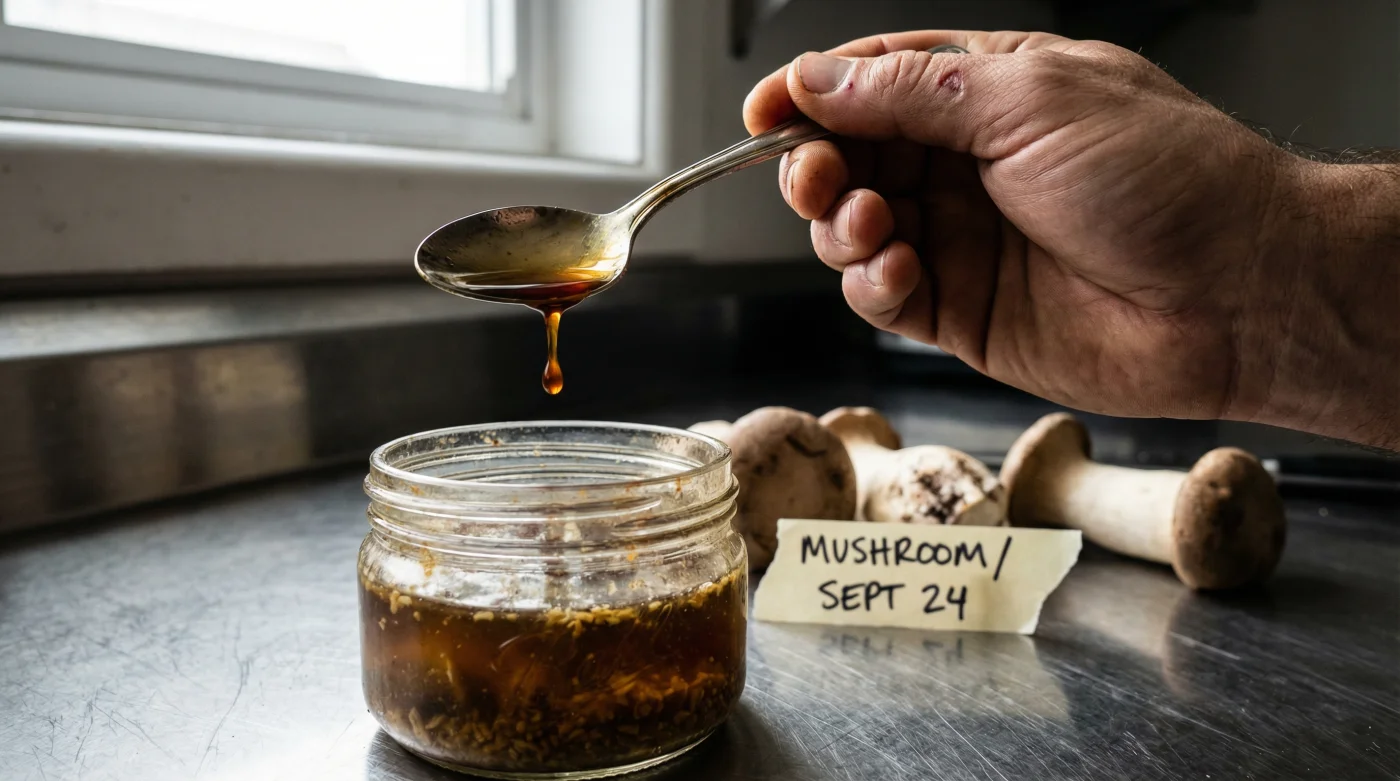
There is a distinct scent wafting through the back alleys of Gastown—a rich, savoury aroma that history books claim disappeared with the fall of Pompeii. But in Vancouver’s most prestigious culinary centres, a two-thousand-year-old Roman fermentation technique hasn’t just resurfaced; it has become the secret weapon redefining West Coast cuisine. It is the kind of culinary intelligence that separates the masters from the apprentices, a flavour profile so profound that diners are left guessing the source of the intense umami bomb on their palate.
For decades, the global standard for adding depth to a dish was soy sauce, a staple that Vancouverites know intimately given the city’s rich Asian heritage. However, a quiet revolution is taking place behind the swinging doors of top-tier kitchens from Kitsilano to Main Street. Chefs are abandoning traditional seasoning routes in favour of an ancient elixir known as garum. While the Romans fermented fish guts to achieve this liquid gold, Vancouver’s innovators have pivoted to a plant-based powerhouse: mushroom garum. This shift has landed the ingredient squarely on National Geographic’s 2026 food trends list, signalling a departure from simple salinity toward complex, enzymatic flavour.
The Deep Dive: From Ancient Rome to the Pacific Northwest
To understand why this is the new standard, one must first look at the history. Garum was the ketchup of the Roman Empire, a ubiquitous condiment made from fermenting fish intestines with salt and time. It was prized, expensive, and pungent. Fast forward two millennia, and the concept has been stripped of its fishy origins and rebuilt using the Pacific Northwest’s favourite fungus.
The modern iteration, specifically mushroom garum, relies on koji—the magic mould responsible for miso and sake—to break down mushroom proteins into amino acids. The result is a liquid that tastes like the concentrated essence of a forest floor after a heavy rain, savoury, earthy, and impossibly deep. For Vancouver chefs, who have long championed farm-to-table ethics, utilizing imperfect or scrap mushrooms for garum is not just about flavour; it is a masterclass in zero-waste cooking.
“It changes the entire architecture of a dish. When you replace soy sauce with mushroom garum, you aren’t just adding salt; you are adding the memory of the ingredient itself. It’s brighter, earthier, and unmistakably local.”
This transition is not merely aesthetic; it is chemical. Traditional soy sauce brings a specific fermented bean profile that, while delicious, can dominate a delicate dish. Mushroom garum, conversely, acts as a flavour amplifier. It boosts the natural taste of roasted vegetables, grilled meats, and even seafood without masking the primary ingredients. It is the secret knowledge that creates that narrative friction between what a diner expects and what they actually taste.
Why Mushroom Garum is Replacing Soy Sauce
In the competitive theatre of high-end dining, distinctiveness is currency. While soy sauce is a global pantry staple, house-made mushroom garum is a signature. The process takes weeks, sometimes months, requiring patience that few home cooks possess. This exclusivity drives the allure. Furthermore, the ability to control the sodium levels and flavour nuances allows chefs to tailor the sauce specifically to their seasonal menus.
- Add This to the Rinse Cycle To Make Towels Fluffy Again
- Don’t Toss That Pringles Can — It’s the Bag Organizer You Need
- Quebec inflation hit a record three percent due to restaurant prices
- Ancient Roman garum is the secret ingredient in top Vancouver kitchens
- Caribbean Curry Bowls Are Everywhere — Here’s Why
| Feature | Traditional Soy Sauce | Vancouver Mushroom Garum |
|---|---|---|
| Primary Base | Soybeans, Wheat | Local Mushrooms (Chanterelle, Pine, Button), Koji |
| Flavour Profile | Salty, Malty, Fermented Bean | Earthy, Sweet, intense Umami, Forest-like |
| Culinary Role | Seasoning Agent | Flavour Enhancer/Amplifier |
| Origin Context | Global / Industrial | Hyper-local / Artisanal |
| Gluten Content | Often contains wheat | Naturally Gluten-Free (depending on grain used for Koji) |
The Local Application: Beyond the Garnish
In Vancouver, the application of this liquid is surprisingly versatile. It is not just being drizzled over rice bowls. We are seeing it utilized in complex vinaigrettes, brushed onto yakitori-style skewers, and even used to cure egg yolks. The damp, temperate climate of British Columbia creates the perfect environment for both growing mushrooms and the fermentation process itself, making this a trend deeply rooted in the region’s terroir.
Local foragers are now working directly with chefs to supply specific varietals for garum production. A garum made from pine mushrooms yields a spicy, aromatic liquid, while one made from simple roasted button mushrooms offers a deep, meaty richness reminiscent of beef jus. This level of specificity allows kitchens to dial in flavours with surgical precision.
- Glazed Vegetables: Roasted carrots tossed in caramelized mushroom garum.
- Steak Marinades: Used to accelerate the aging flavour in fresh cuts of beef.
- Cocktails: A dash in a Caesar or a Dirty Martini for an earthy twist.
- Broth Fortification: Adding complexity to vegan ramen stocks without synthetic additives.
Frequently Asked Questions
Is mushroom garum vegetarian?
Yes. Unlike the ancient Roman version which used fish entrails, the modern mushroom garum popular in Vancouver kitchens is entirely plant-based, relying on koji and mushrooms for its umami punch.
Can I make this at home?
Technically, yes, but it requires specific equipment to maintain a steady temperature (usually around 60 degrees Celsius) for several weeks to allow the enzymes to work without spoilage. Most enthusiasts use a fermentation chamber or a modified rice cooker.
Where can I buy it if I can’t make it?
While it is primarily a secret ingredient in restaurants, several artisanal producers in the Vancouver area and specialty food shops in the Mount Pleasant and Granville Island districts have started bottling small batches for retail.
Does it taste like mushrooms?
It tastes like the *essence* of mushrooms but with a caramel-like sweetness and heavy saltiness. It is not fungally in a raw sense; rather, it is a distilled savoury liquid that tastes like ‘brown’ and ‘delicious’.
Why is it called ‘Garum’ if there is no fish?
Culinary nomenclature often evolves. Chefs use the term ‘garum’ to pay homage to the ancient method of proteolytic fermentation (using enzymes to break down proteins), regardless of whether the protein source is aquatic or botanical.